Best ChatGPT Prompts For Disney Characters
AskSide
October 22, 2026
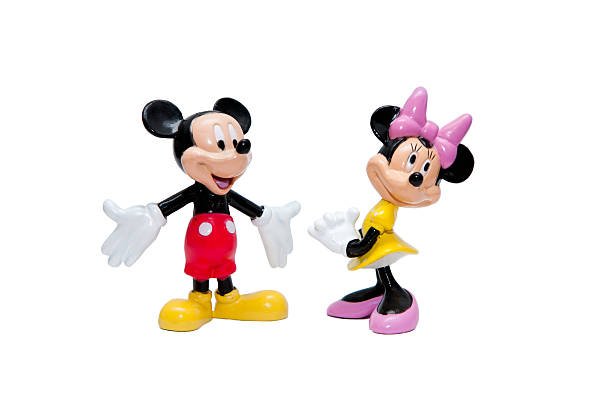
Many fans utilize the best ChatGPT prompts for Disney characters to transform how they interact with their favorite childhood heroes and villains through generative AI. These creative inputs allow users to generate unique fan fiction, conduct deep character analyses, or even simulate conversations with iconic figures like Mickey Mouse or Elsa. By leveraging structured language models, you can bring the magic of animation into the digital workspace for entertainment or educational purposes.
Transitioning from simple queries to complex interactions requires a strategic approach to prompt engineering to ensure the AI captures the specific nuances of each personality. The following sections provide a comprehensive guide on how to maximize your creative output using various techniques tailored for the Disney universe.
These are the Best ChatGPT Prompts For Disney Characters
Generating high quality content about the world of Disney requires an understanding of character archetypes, historical context, and the specific tone that makes these stories timeless. Since the founding of the Disney Brothers Cartoon Studio in 1923, the company has created thousands of characters that serve as the foundation for modern mythology. Using a well crafted ChatGPT prompt for Disney characters allows you to tap into this massive cultural database to produce scripts, character studies, or immersive roleplaying experiences that feel authentic to the original source material. Here are the most effective ways to use these prompts for your creative projects.
1. Character Roleplay and Immersive Conversation
One of the most popular uses for AI is simulating a conversation with a specific figure from a movie or television show. To get the best results, you must define the character's voice, catchphrases, and moral compass within the instruction. This helps the model maintain the persona of someone like Jack Sparrow or Maleficent without breaking character. You can use this for entertainment or to practice interviewing techniques by pretending the AI is a historical Disney figure. A highly effective best prompt for ChatGPT for Disney characters in this category would be: Act as Genie from Aladdin. I want you to respond to everything I say with high energy, pop culture references from the 1990s, and a humorous tone. Do not break character and use his iconic vocabulary.
2. Alternate Universe Storytelling
Exploring what happens when a character is placed in an entirely different setting is a staple of fan fiction. By using these prompts, you can see how Simba might lead a futuristic space colony or how Mulan would navigate a modern corporate boardroom. This technique tests the adaptability of a character's core traits in new environments, providing fresh perspectives on familiar faces. You might try a prompt like: Write a 500 word story where Belle from Beauty and the Beast is a lead scientist in a cyberpunk city, trying to solve a mystery involving enchanted technology. This approach utilizes the internal logic of the character while expanding the narrative boundaries of their world.
3. Deep Psychological Character Analysis
Disney characters are often built on deep psychological archetypes that have been studied by scholars for decades. You can use AI to break down the motivations of a villain like Scar or the growth arc of a hero like Hercules using modern psychological frameworks. This is particularly useful for students or writers who want to understand the mechanics of successful character development. A detailed analysis prompt could be: Provide a psychological profile of Elsa from Frozen, focusing on her repression of emotions and how it relates to her growth in the first film. Compare her journey to the classic Hero’s Journey framework. By doing this, you gain a professional level insight into how Disney constructs its most successful narratives.
4. Creating Original Crossover Scenarios
With Disney now owning massive franchises like Marvel and Star Wars, crossover prompts have become increasingly popular. You can ask the AI to imagine a meeting between Stitch and Yoda or a battle between Hades and Thanos. These scenarios allow for creative comparisons of power levels and personality clashes that would never happen in official media. Use a prompt such as: Write a dialogue between Woody from Toy Story and Han Solo from Star Wars as they discuss what it means to be a leader and a loyal friend. This creates a unique narrative tapestry that blends different genres and eras of entertainment seamlessly.
5. Educational Tutoring with a Disney Twist
Parents and teachers often use characters to make difficult subjects more engaging for children. By asking an AI to explain a scientific concept or a historical event in the voice of a specific character, the learning process becomes much more interactive. For example, a child might understand the water cycle better if it is explained by Olaf from Frozen. A useful prompt for this is: Explain the laws of gravity to a seven year old using the voice and personality of Buzz Lightyear from Toy Story. Use his catchphrases and space explorer metaphors. This makes education fun and leverages the emotional connection children have with these animated figures.
6. Writing Original Song Lyrics
Disney is world famous for its musical numbers, with many songs reaching the top of the Billboard charts. You can use ChatGPT to write original lyrics in the style of Alan Menken or the Sherman Brothers for a specific character situation. This is great for aspiring songwriters or those planning a themed event. Try a prompt like: Write the lyrics for a new Disney villain song for a character who controls the shadows. The style should be theatrical, dark, and orchestral, similar to Poor Unfortunate Souls. The AI can match the rhythmic patterns and rhyming schemes characteristic of classic Disney showtunes.
7. Planning a Disney Themed Itinerary
For those planning a trip to the parks, which see over 58 million annual visitors at Walt Disney World alone, AI can act as a specialized travel agent. You can ask for an itinerary based on the preferences of a specific character or a movie theme. This adds a layer of immersion to the planning process that traditional websites cannot provide. Use a prompt like: Create a one day itinerary for Magic Kingdom that is themed entirely around the movie Tangled. Include specific rides, snacks, and photo spots that fit the theme. This helps fans curate a highly personalized experience based on their favorite stories.
8. Modernizing Classic Fairy Tales
Many Disney films are based on centuries old fairy tales that have been adapted for modern audiences. You can use prompts to further adapt these stories to fit current cultural trends or technological advancements. This is a great exercise for creative writers looking to practice adaptation skills. An example of this would be: Reimagine the story of Cinderella but set it in the year 2050 where the glass slipper is a unique digital encryption key and the ball is a virtual reality gala. This keeps the core themes of the story intact while providing a fresh and relevant setting.
9. Villain Redemption Arcs
Fans often wonder if certain villains could have been redeemed if their circumstances were different. Using AI to write a redemption arc for characters like Jafar or Ursula provides an interesting look at the complexity of morality in storytelling. This allows for a deeper exploration of why these characters became "evil" in the first place. You could use: Write a script scene where Maleficent decides to use her powers for good to save a dying forest, explaining her change of heart to the inhabitants of the Moors. Such prompts challenge the AI to maintain character consistency while facilitating a massive shift in their moral alignment.
10. Professional Career Coaching from a Character
Sometimes, the best way to think through a problem is to look at it from a different perspective. Asking a character known for wisdom, like Rafiki or Grandmother Willow, to provide "advice" on a career or life problem can lead to surprisingly creative solutions. It forces you to simplify the problem into its most basic emotional or logical components. A creative prompt might be: I am feeling stuck in my career. Give me advice on how to find my true path using the wisdom and metaphorical language of Rafiki from The Lion King. This provides a unique brainstorming tool that feels personal and encouraging.
11. Scripting Original Disney Channel Style Scenes
If you are a fan of the live action side of the brand, you can prompt the AI to write scenes in the style of classic sitcoms like That’s So Raven or Wizards of Waverly Place. This includes adding laugh tracks, physical comedy cues, and the specific slang used during those eras. A prompt for this would be: Write a three minute script for a scene where Raven from That’s So Raven has a vision about a school bake sale gone wrong. Include stage directions and comedic timing. This is excellent for theater students practicing their comedic acting or writing skills.
12. Designing Custom Disney Character Outfits
While ChatGPT is text based, it can provide incredibly detailed descriptions that can be used for cosplay or as prompts for AI image generators. You can ask it to design a "steampunk" version of Peter Pan or a "regency era" version of Tiana. The level of detail the AI provides can help a designer understand fabrics, colors, and accessories. Use a prompt like: Describe in detail a modern high fashion outfit for Cruella de Vil that she would wear to a gala in 2024. Focus on textures, materials, and how it incorporates her signature black and white color scheme. These best ChatGPT prompts for Disney characters serve as a bridge between conceptual ideas and physical creation.
13. Generating Disney Trivia and Quiz Questions
For those hosting trivia nights or creating content for social media, AI is an endless source of facts and challenging questions. You can specify the difficulty level to ensure the quiz is fair for all participants. Disney fans are notoriously knowledgeable, so having a tool that can dig into obscure facts is invaluable. An example prompt is: Generate 10 difficult trivia questions about Disney animated films from the 1990s Renaissance era. Include the answers and a brief fact about each movie. This saves hours of research and ensures accuracy for your event.
14. Creating Themed Workout Routines
Fitness can be more engaging when it is gamified or themed after a favorite movie. You can ask the AI to design a workout based on the training montage of a character like Li Shang or the adventuring spirit of Moana. This adds a narrative element to exercise that can increase motivation. Try this prompt: Create a 20 minute bodyweight workout routine called the I’ll Make a Man Out of You challenge. Each exercise should correspond to a lyric or theme from the song. It makes the mundane task of working out feel like a part of a larger heroic journey.
15. Culinary Recipes Inspired by the Movies
Food is a major part of the Disney experience, from the grey stuff in Beauty and the Beast to the ratatouille in the movie of the same name. You can use prompts to generate actual recipes that look and taste like the food seen on screen. This is perfect for themed parties or a fun weekend activity. A great prompt would be: Write a recipe for a dessert inspired by the poisoned apple from Snow White. The dessert should be edible, visually striking, and use realistic ingredients. The AI can provide step by step instructions that are easy to follow for home cooks.
Things to Consider When Using Disney Character Prompts
1. Accuracy of Voice and Tone: When you are using a ChatGPT prompt for Disney characters, it is essential to provide specific context about the era or the specific movie you are referencing. For example, Mickey Mouse from the 1930s has a very different personality and voice compared to the modern version seen on Disney Junior. Providing the AI with a specific timeframe or movie title ensures that the generated text matches the version of the character you have in mind.
2. Respecting Intellectual Property: While using these prompts for personal entertainment, fan fiction, or educational purposes is generally accepted, you must be aware of copyright laws if you intend to publish or monetize the content. Disney is protective of its trademarks and characters, which have a combined brand value in the billions. Always ensure that your use of AI generated content falls within fair use or personal non-commercial guidelines to avoid legal issues with the Walt Disney Company.
3. Avoiding Hallucinations in Trivia: Although AI is a powerful tool, it can sometimes "hallucinate" or provide incorrect facts about movie release dates or voice actors. If you are using ChatGPT to generate trivia or historical data, it is always a good practice to cross reference the answers with official sources like the Disney Archives or IMDB. This ensures that your content remains credible and accurate for your audience, especially when dealing with a fan base that values precision.
4. Formatting for Image Generation: If your goal is to use the text to create art in tools like Midjourney or DALL-E, you need to structure your prompt differently. Instead of asking for a story, focus on descriptive adjectives, lighting, and art styles like "1950s concept art" or "modern 3D render." This helps the image generator understand the visual language of Disney animation and produce a result that looks professional and on brand.
5. Maintaining Character Consistency: When writing long form stories, the AI might occasionally lose track of a character's core motivations or background. To prevent this, you should periodically remind the model of the setting and the character's current emotional state. This "context window" management is key to producing a coherent narrative that feels like a real Disney script rather than a series of disconnected scenes.
6. Ethical Use of AI Persona: Using AI to simulate deceased actors or very specific historical figures within the company requires a level of ethical consideration. Ensure that the prompts do not generate content that is disrespectful or contrary to the values of the individual being simulated. Keeping the prompts focused on the fictional characters rather than the real life creators is usually the best way to maintain a positive and creative environment.
Conclusion
The best ChatGPT prompts for Disney characters offer a gateway to a world of endless creativity, allowing fans and professionals alike to engage with beloved stories in entirely new ways. Whether you are analyzing the psychological depth of a hero, planning a themed park visit, or writing the next great fan fiction, these tools provide the structure needed for high quality output. By following the tips and examples provided, you can ensure that your interactions with AI remain magical, accurate, and deeply engaging. As generative technology continues to evolve, the possibilities for storytelling within the Disney universe will only expand, bringing us closer to the characters we love.
Enjoyed this read?
Share it with your friends and colleagues.