
Best AI Tools For Analyzing X-Ray

AskSide
October 22, 2026
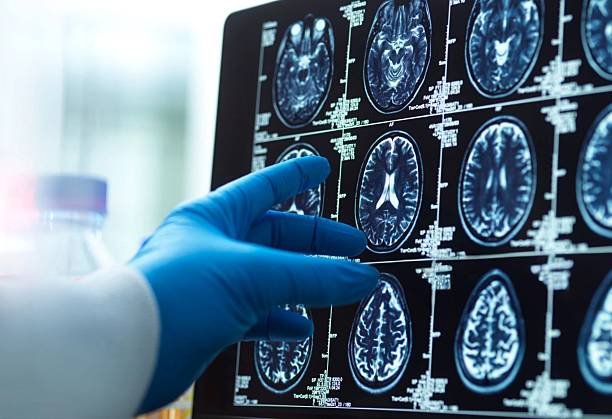
Using the best AI tools for analyzing X-ray images helps healthcare professionals detect conditions such as fractures, infections, tumors, and lung abnormalities faster and with higher consistency. These tools apply deep learning models trained on large medical imaging datasets to highlight potential issues that may be difficult to identify with the human eye alone. As a result, diagnosis becomes faster, more standardized, and more reliable.
AI in X-ray analysis is now widely used in radiology departments to support decision-making and reduce workload pressure. However, these systems are designed as assistive technologies, meaning final interpretation still depends on medical professionals.
These are the Best AI Tools For Analyzing X-Ray Images
The best AI tools for analyzing X-ray focus on image interpretation, anomaly detection, triage prioritization, and report generation. Below are the most widely used and clinically relevant platforms in medical imaging AI.
1. Aidoc for Real-Time Radiology Triage
Aidoc is one of the most widely adopted AI platforms for analyzing medical images, including X-rays and CT scans. It helps radiologists by automatically detecting urgent abnormalities such as fractures, lung issues, or internal bleeding and prioritizing critical cases. For example, in emergency departments, it can flag suspicious chest X-rays for immediate review. It integrates directly with hospital systems like PACS, making workflow smoother. Its strength lies in real-time triage and workflow acceleration, especially in high-volume hospitals.
2. Google DeepMind Health AI for Advanced Image Analysis
DeepMind’s medical AI systems are designed to analyze complex medical images with high accuracy using deep neural networks. In X-ray analysis, it focuses on identifying patterns linked to diseases such as pneumonia or tuberculosis. For example, it can scan chest X-rays and highlight abnormal lung regions for further review. It is primarily used in research and hospital collaborations. Its strength is high-level pattern recognition supported by large-scale datasets.
3. Qure.ai for Chest X-Ray Interpretation
Qure.ai is a widely used AI tool specifically designed for chest X-ray interpretation. It detects conditions such as tuberculosis, pneumonia, and lung nodules. For example, in screening programs, it can analyze large batches of X-rays and quickly identify high-risk patients. It is often used in public health initiatives and low-resource settings. A major advantage is its ability to process high volumes of scans efficiently.
4. Lunit INSIGHT CXR for Lung Abnormality Detection
Lunit INSIGHT CXR is a powerful AI system focused on detecting abnormalities in chest X-rays. It identifies lung cancer indicators, infections, and other thoracic conditions. For example, it highlights suspicious regions on a scan and assigns risk scores for clinical review. Studies show it improves radiologist sensitivity in detecting subtle findings. It is widely used in hospitals and diagnostic centers for early detection support.
5. Zebra Medical Vision for Multi-Disease X-Ray Screening
Zebra Medical Vision provides AI algorithms that analyze X-rays for multiple conditions including bone fractures, cardiovascular issues, and lung diseases. For example, it can detect osteoporosis indicators or hidden fractures that may be overlooked. It is designed for large-scale screening and preventive healthcare. Its strength is its broad coverage of multiple diseases from a single imaging scan. It helps reduce missed diagnoses in routine imaging.
6. Siemens Healthineers AI-Rad Companion
AI-Rad Companion by Siemens Healthineers assists radiologists by automating X-ray and CT image analysis tasks. It provides segmentation, measurement, and structured reporting. For example, it can automatically measure lung structures and highlight abnormalities. It is commonly used in hospitals with advanced imaging systems. Its main benefit is improving consistency in reporting and reducing manual measurement workload.
7. Philips IntelliSpace AI for Clinical Imaging Support
Philips IntelliSpace AI integrates artificial intelligence into radiology workflows to assist in analyzing X-rays and other medical images. It helps with image enhancement, abnormality detection, and clinical reporting. For example, it can improve visibility in low-quality X-rays and highlight potential issues. It is widely used in enterprise hospital environments. Its strength lies in integration with hospital imaging infrastructure.
8. Riverain ClearRead for Chest Imaging Enhancement
Riverain ClearRead specializes in improving chest X-ray interpretation by reducing overlapping anatomical noise such as bones. It enhances visibility of lung structures to make abnormalities easier to detect. For example, it can suppress rib shadows to reveal hidden nodules. It is especially useful in lung cancer screening programs. Its focus is on improving image clarity rather than general diagnostics.
9. Annalise.ai for Emergency Radiology Support
Annalise.ai provides AI-driven interpretation of X-rays in emergency and general radiology settings. It can detect a wide range of findings including fractures, lung conditions, and acute abnormalities. For example, it helps emergency departments prioritize urgent trauma cases. It is designed to support fast decision-making in clinical environments. Its strength is broad diagnostic coverage across multiple body systems.
10. RADLogics for Automated X-Ray Reporting
RADLogics uses deep learning to analyze medical images and generate structured radiology reports. It detects abnormalities in X-rays and supports clinical documentation. For example, it can automatically generate findings for chest imaging studies. It is used in both research and clinical settings. Its key advantage is combining image analysis with automated reporting for efficiency.
Things to Consider When Choosing AI Tools for X-Ray Analysis
1. Diagnostic Accuracy: The best AI tools for analyzing X-ray must demonstrate high accuracy in detecting abnormalities such as fractures, infections, and tumors. Accuracy is critical in medical environments where errors can affect patient outcomes.
2. Clinical Validation and Approval: Medical AI tools should ideally be validated through clinical studies or approved by regulatory bodies. This ensures reliability and safety in real-world healthcare use.
3. Integration with Hospital Systems: Effective tools must integrate with PACS and RIS systems used in hospitals. Seamless integration improves workflow efficiency and reduces manual data handling.
4. Speed of Analysis: In emergency care, fast image processing is essential. AI tools that provide real-time or near real-time results are highly valuable for urgent diagnosis.
5. Explainability of Results: Good AI systems should clearly show why a certain abnormality is detected. Transparent reasoning helps doctors trust and verify AI outputs.
6. Scope of Detection: Some tools specialize in specific conditions like lung disease, while others offer multi-disease detection. Choosing the right scope depends on clinical needs.
Conclusion
The best AI tools for analyzing X-ray images are transforming modern radiology by improving speed, accuracy, and diagnostic efficiency. Platforms like Aidoc, Qure.ai, and Lunit INSIGHT CXR help healthcare professionals detect critical conditions earlier and reduce workload pressure. Using AI tools for analyzing X-ray does not replace medical expertise but enhances it through intelligent decision support. As AI technology continues to advance, X-ray interpretation will become even more precise, accessible, and efficient in clinical practice.
Enjoyed this read?
Share it with your friends and colleagues.