
Best ChatGPT Prompts For Advertisement Campaign

AskSide
October 22, 2026
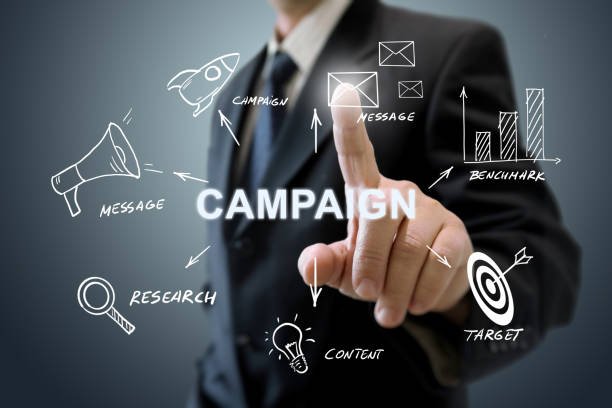
Marketing professionals increasingly use the best ChatGPT prompts for an advertisement campaign development to streamline their creative workflows and boost conversion rates. These AI-driven instructions help teams brainstorm unique concepts, refine brand voices, and target specific audience segments more accurately than traditional methods. By adopting these advanced linguistic models, businesses can significantly reduce the time spent on manual research and drafting while maintaining high quality standards.
Transitioning from traditional brainstorming to AI-assisted strategy requires an understanding of how to frame requests to get the most relevant business insights. The following guide explores the most effective ways to utilize these prompts to enhance every aspect of your promotional efforts from initial research to final execution.
These are the Best ChatGPT Prompts for an Advertisement Campaign
Developing a successful marketing initiative in the digital age requires a blend of psychology, data analysis, and creative storytelling that resonates with a specific audience. According to industry reports, over 70 percent of marketers are now experimenting with generative AI to produce more personalized content at scale. Using a ChatGPT prompt for advertisement campaign creation allows you to generate a vast array of copy variations, social media hooks, and strategic frameworks in a fraction of the time it would take a human team alone. Below is a comprehensive list of the most effective prompts to help you dominate your market and maximize your return on ad spend.
1. Audience Persona and Pain Point Identification
Before writing a single word of copy, you must understand exactly who you are talking to and what problems they are trying to solve. AI can analyze vast amounts of consumer behavior data to help you build a detailed avatar of your ideal customer, including their demographics, interests, and emotional triggers. This foundation ensures that your messaging hits the right note and addresses real world challenges. Use this best prompt for ChatGPT for advertisement campaign for audience research: Create a detailed buyer persona for a luxury eco-friendly skincare brand. Include demographic data, three primary pain points related to aging, and the emotional benefits they seek when purchasing high-end products.
2. Copywriting Frameworks for Better Engagement
Using established psychological frameworks like AIDA (Attention, Interest, Desire, Action) or PAS (Problem, Agitation, Solution) can drastically improve the performance of your ads. These structures guide the reader through a logical progression that builds trust and encourages them to take a specific action. AI is excellent at applying these formulas to any product or service you provide. Try this prompt: Write three different Facebook ad copy variations for a new project management software using the PAS framework. Focus on the stress of missed deadlines and how this tool provides peace of mind through automated tracking.
3. High-Converting Headline Generation
The headline is the most important element of any advertisement because if it fails to grab attention, the rest of the copy will never be read. Experts suggest that 8 out of 10 people will read a headline, but only 2 out of 10 will read the rest of the page. You should use AI to generate dozens of options so you can pick the most compelling one. A useful ChatGPT prompts for advertisement campaign for headlines is: Generate 15 catchy and curiosity-driven headlines for a Google Search ad promoting an online masterclass for freelance photographers. The headlines must be under 30 characters and include the keyword photography tips.
4. Short-Form Video Scripts for Social Media
Short-form video content on platforms like TikTok and Instagram Reels has become a primary driver of sales for modern brands. Creating a script that captures attention within the first three seconds is vital for keeping viewers from scrolling past your content. AI can help you structure these scripts with visual cues and engaging dialogue. Use this prompt: Write a 30 second script for a TikTok ad promoting a portable coffee maker. Start with a relatable hook about being tired during a commute and end with a strong call to action to visit the link in bio.
5. Email Marketing Sequences for Lead Nurturing
Advertisement campaigns do not end with the first click; they often require a series of follow-up emails to convert a lead into a paying customer. AI can write an entire sequence that feels personal and builds a relationship with the subscriber over time. This keeps your brand top of mind without appearing overly aggressive or spammy. A great prompt for this is: Write a five-part email nurture sequence for someone who just downloaded a free guide on home gardening. The goal is to eventually sell them a premium organic fertilizer kit in the final email.
6. Competitor Ad Strategy Analysis
Understanding what your competitors are doing well allows you to find gaps in their strategy that you can exploit for your own gain. You can feed the AI descriptions of competitor ads or their mission statements to get a breakdown of their likely targeting and messaging goals. This competitive intelligence is crucial for positioning your brand as the superior choice. Try: Analyze the marketing tone of the top three competitors in the meal kit delivery industry. Identify their strengths and weaknesses, and suggest a unique selling proposition for a new competitor that focuses on ketogenic diets.
7. Landing Page Optimization for Conversions
Even the best ad in the world will fail if the landing page it leads to is confusing or poorly written. AI can help you write benefit-driven bullet points, persuasive headers, and clear calls to action that guide the user toward a purchase. This ensures that the traffic you pay for actually turns into revenue. Use this prompt: Review and rewrite the following landing page text to make it more persuasive for a software-as-a-service product. Focus on the benefits of time-saving and team collaboration rather than just listing technical features.
8. Influencer Outreach and Creative Briefs
Working with influencers requires a clear set of guidelines so that the content they produce aligns with your brand values while remaining authentic to their audience. AI can draft a creative brief that outlines the goals, do’s and don'ts, and the specific aesthetic you are aiming for. This reduces the amount of back-and-forth communication needed to get a campaign live. A specific prompt for this is: Write a creative brief for an Instagram influencer campaign promoting a new line of sustainable yoga mats. Include the campaign goals, key messages to mention, and three specific content ideas for Stories.
9. Retargeting Ad Variations for Warm Leads
People who have already visited your site but didn't buy are your most valuable leads, but they often need a different type of messaging to close the deal. Retargeting ads should focus on overcoming objections or offering a special incentive to return. AI can help you brainstorm these specific angles. Try: Write three variations of a retargeting ad for users who abandoned their shopping cart on an apparel website. Include one variation that offers a 10 percent discount and another that emphasizes a limited-time free shipping offer.
10. Seasonal and Holiday Promotion Ideas
Planning for major shopping events like Black Friday, Cyber Monday, or Valentine's Day requires early preparation and a unique creative angle to stand out in a crowded inbox. AI can generate a month-long content calendar and specific promotional ideas tailored to these holidays. This prevents the stress of last-minute planning and ensures your campaign is cohesive. Use this prompt: Generate a 4-week marketing campaign calendar for a bookstore for the month of December. Include social media post ideas, email subject lines, and a special theme for each week.
11. Visual Prompt Generation for Image AI
While ChatGPT is a text model, it is an incredible tool for writing the highly detailed descriptions needed for image generators like Midjourney or DALL-E. This allows you to create custom visuals for your ads that are perfectly aligned with your copy. A detailed prompt for this would be: Write a highly detailed descriptive prompt for an AI image generator. The image should show a modern, minimalist home office with warm sunlight, featuring a sleek laptop and a cup of steaming coffee to be used in a productivity app advertisement.
12. Branding and Voice Consistency Checks
If you have multiple people working on a campaign, it is easy for the brand voice to become inconsistent across different platforms. You can use ChatGPT to act as a brand editor, ensuring that every piece of copy sounds like it came from the same person. This builds recognition and trust with your audience over the long term. Try this prompt: I will provide you with our brand voice guidelines. I want you to review the following three ad captions and rewrite them so they perfectly match the professional yet approachable tone described in the guidelines.
13. Developing Powerful Calls to Action (CTAs)
A weak call to action like "click here" is often ignored by modern consumers who are bombarded with advertisements every day. You need CTAs that create urgency, promise a benefit, or reduce the perceived risk of taking the next step. AI can brainstorm dozens of creative buttons and links for your website. A useful prompt is: Generate 10 creative and high-conversion calls to action for a free trial of a fitness app. Instead of just Sign Up, use phrases that emphasize the transformation the user will experience.
14. Localizing Campaigns for Different Markets
If you are running a global campaign, you cannot simply translate copy directly; you must localize it to fit the cultural nuances and slang of different regions. AI can help you adapt your messaging for different English-speaking markets like the UK, Australia, and the US, or even suggest cultural adjustments for other languages. Use this prompt: Rewrite this American ad for a premium car brand so that it appeals to a professional audience in the United Kingdom. Adjust the spelling, vocabulary, and cultural references to feel authentic to a British consumer.
15. Campaign Reporting and Data Summarization
After a campaign is finished, you often have a mountain of data that needs to be summarized for stakeholders. You can paste your raw data into ChatGPT and ask it to find the most important trends and suggest improvements for the next round. This turns raw numbers into actionable business intelligence. Try: Summarize the following campaign performance data. Identify which ad had the lowest cost per click and provide three theories on why it performed better than the others based on the copy used.
Things to Consider When Planning Your Advertisement Campaign
1. Aligning AI with Brand Strategy: When using the best ChatGPT prompts for advertisement campaign development, it is vital to remember that the AI does not inherently know your long-term business goals. You must provide clear context regarding your brand's unique value proposition and the specific emotional response you want to elicit from your target audience. Without this guidance, the output may be grammatically correct but fail to move the needle on actual sales or brand equity.
2. Accuracy and Fact-Checking: AI models can occasionally generate facts or statistics that are not grounded in reality, a phenomenon known as hallucination. In the world of advertising, making false claims can lead to legal repercussions and a significant loss of consumer trust. Always verify every claim, price point, and technical specification generated by the AI before including it in a public-facing campaign to ensure compliance with advertising standards and regulations.
3. Human Oversight in Creativity: While AI is a powerful tool for generating volume, it often lacks the "human spark" or cultural intuition that makes an ad truly viral or deeply moving. Use the AI to generate the 80 percent of the work that is repetitive and foundational, but rely on human creative directors to provide the final 20 percent of polish and emotional nuance. This hybrid approach ensures that your campaign is both efficient and emotionally resonant with real people.
4. Platform-Specific Constraints: Every advertising platform has its own set of rules regarding character counts, forbidden words, and visual styles. For example, Google Ads has strict limits on headline lengths, while Meta has specific policies regarding social issues and health claims. Ensure your prompts include these constraints so the AI produces content that is ready to be uploaded without needing extensive manual resizing or editing to meet platform requirements.
5. A/B Testing is Still Essential: AI can predict what might work based on historical data, but the only way to know for sure is to test it in the real world. Use the AI to generate multiple versions of your ads and then run them against each other in small, controlled tests. This data-driven approach allows you to identify which AI-generated hooks and headlines actually result in the highest engagement and conversion rates before scaling your budget.
6. Ethical Use of Data: As privacy regulations like GDPR and CCPA become more stringent, how you use consumer data in your prompts becomes a major concern. Never feed sensitive customer information or proprietary company secrets into a public AI model without proper security measures. Focus your prompts on general market trends and public consumer personas to protect your company's data integrity while still gaining the benefits of automated strategic planning.
Conclusion
Implementing the best ChatGPT prompts for advertisement campaign management can revolutionize your marketing efficiency by automating the most time-consuming parts of the creative process. From identifying audience pain points to writing complex email sequences and video scripts, these AI tools allow you to produce a higher volume of targeted content than ever before. However, the most successful campaigns will always be those that combine the speed of AI with the strategic oversight and emotional intelligence of human marketers. By mastering these prompts and considering the technical constraints of each platform, you can create powerful advertisements that drive meaningful growth for your business. As AI technology continues to advance, staying ahead of these prompt engineering techniques will be a key differentiator for successful brands in a competitive digital landscape.
Enjoyed this read?
Share it with your friends and colleagues.