Best ChatGPT Prompts for 3D Action Figure

AskSide
October 22, 2026
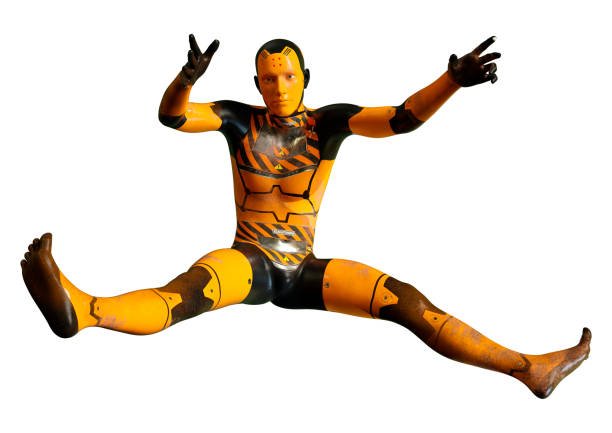
Designing a custom collectible involves complex anatomical and mechanical details, but using the best ChatGPT prompts for 3D action figure creation can significantly streamline the conceptualization stage for toy designers. These specialized instructions help the artificial intelligence generate vivid descriptions of articulated joints, material textures, and character-specific accessories that are essential for a high-quality sculpt. By leveraging these advanced prompts, you can effectively bridge the gap between a vague idea and a production-ready digital asset for 3D printing.
The rise of high-end consumer 3D printing has made the creation of custom toys more accessible than ever before, allowing enthusiasts to bypass traditional manufacturing hurdles. This guide outlines the most effective ways to use artificial intelligence to bring your unique character concepts into the physical world through detailed descriptions and technical specifications.
These are the Best ChatGPT Prompts for 3D Action Figure
High-quality action figures require a balance of aesthetic appeal and functional engineering, which is why the best ChatGPT prompts for 3D action figure design must address both the visual style and the physical mechanics of the toy. Whether you are aiming for a classic 1980s retro feel or a hyper-realistic modern collectible, providing the AI with specific descriptors for articulation points, paint finishes, and accessory scaling is vital. Below is a comprehensive list of prompts tailored to help you generate the most detailed and useful blueprints for your next 3D sculpting project.
1. Designing a High-Fantasy Warrior with Intricate Armor
For collectors who love the fantasy genre, the level of detail on the armor is what separates a generic toy from a premium collectible. This ChatGPT prompt for 3D action figure design focuses on "heroic proportions" and layered textures, such as etched filigree and leather under-wraps. It guides the AI to describe the character in a way that is ready for a digital sculptor to translate into high-poly models. By emphasizing the contrast between different materials like cold steel and weathered fur, the resulting concept will have a tactile quality even before it is printed. This prompt is perfect for creating a centerpiece for any tabletop gaming shelf.
Act as a professional toy designer for a high-end collectibles company. Describe a 1/12 scale 3D action figure of a Paladin warrior. Focus on detailed gothic plate armor with intricate engravings of lions and sunbursts. Include descriptions for a tattered crimson cape made of real-feel fabric textures and a large warhammer with a glowing gemstone embedded in the head. Specify that the figure should have 25 points of articulation, including double-jointed knees and elbows.
2. Creating a Cyberpunk Character with Mechanical Enhancements
The cyberpunk aesthetic demands a mix of organic anatomy and hard-surface mechanical components. This prompt helps the AI visualize the integration of wires, glowing ports, and robotic limbs that look functionally plausible. It utilizes terms like "subsurface scattering" and "metallic luster" to help you understand how the light should interact with the final printed model. By describing the character's gear, such as a futuristic visor or cybernetic arm, you can ensure the 3D modeler knows exactly where to place fine details. This is an essential best prompt for ChatGPT for 3D action figure concepts that look both futuristic and gritty.
Generate a detailed design for a 6-inch cyberpunk 3D action figure. The character is a high-tech mercenary with a translucent bionic arm showing internal circuitry. Describe a sleek tactical vest with various pouches and a glowing blue visor. Include specifications for 'weathered' paint applications to simulate scuffs on the chrome parts. Ensure the description mentions swappable hands for different weapon-holding poses and a small hovering drone accessory.
3. Simulating Retro 80s Style Toy Aesthetics
Nostalgia is a powerful driver in the toy industry, and many creators want to replicate the chunky, simplistic charm of 1980s action figures. This prompt directs the AI to focus on exaggerated muscle groups and simplified articulation, similar to the classic toys of that era. It avoids overly complex details in favor of "playability" and bold, primary color palettes. This approach is highly effective for those creating a line of "neo-vintage" toys that feel like they were pulled straight from a Saturday morning cartoon. It also includes instructions for the "action feature" which was a staple of that decade's toy design.
Create a design document for a 5.5-inch 3D action figure in the style of 1980s muscle-bound hero toys. Focus on a simple 5-point articulation system: head, shoulders, and hips. Describe a character that is an intergalactic barbarian with neon-colored fur boots and a translucent energy sword. Include a 'power-punch' spring-loaded waist feature in the description. The design should use bold colors and simplified facial features to mimic the vintage manufacturing style.
4. Optimizing Articulation and Joint Placement
One of the most technical aspects of action figure design is the engineering of the joints. This prompt is purely functional, asking the AI to describe the placement and type of joints needed for maximum poseability without sacrificing the sculpt's integrity. It covers butterfly joints for the shoulders and ball-hinge ankles, which are standard for modern high-articulation figures. By using this ChatGPT prompt for 3D action figure engineering, you can provide your 3D modeler with a checklist of mechanical requirements. This ensures the figure can hold dynamic poses, such as a deep crouch or a high kick, which is crucial for photography and display.
Act as a toy engineer. Provide a technical breakdown for the articulation system of a 1/10 scale ninja action figure. Detail the implementation of butterfly shoulder joints to allow for cross-body sword poses. Describe the use of ball-jointed wrists and peg-hole connections for interchangeable heads. Explain how to hide the double-jointed knee seams within the character's baggy pant sculpt to maintain visual continuity while allowing a 180-degree bend.
5. Crafting a Sci-Fi Space Marine with Modular Armor
Modular toys allow for high customization, which is a major selling point for modern collectors. This prompt focuses on the "plug-and-play" aspect of a space marine, where different armor plates and weapons can be swapped out easily. It describes the attachment points as "universal ports" or "magnetic connections," providing a clear vision for a toy that can grow with more accessories over time. This is a great way to think about a toy line as a system rather than just a single figure. The AI will help you imagine how these pieces fit together while maintaining a cohesive sci-fi aesthetic.
Design a modular 3D action figure of a deep-space explorer. The base figure should have a sleek undersuit with multiple hexagonal mounting points on the chest, shoulders, and shins. Describe three different armor sets: a heavy tank set, a high-speed scout set, and a specialized repair set. Explain how each piece clicks onto the base body and include descriptions for various modular weapon attachments like a plasma rifle and a wrist-mounted laser.
6. Developing Creature and Monster Figures with Organic Textures
Monster figures often require a focus on asymmetrical features and grotesque organic textures like scales, slime, or exposed bone. This prompt encourages the AI to use evocative language to describe these biological details, which helps in creating a unique digital sculpt. It focuses on the "shelf presence" of the creature, suggesting a larger scale and a more menacing silhouette. By asking for "sculpted skin folds" and "vein detailing," you ensure the 3D print will have plenty of surface area to catch a "wash" during the painting process. This is the best prompt for ChatGPT for 3D action figure monsters that need to look terrifyingly realistic.
Describe a 3D action figure of a swamp-dwelling creature that stands 9 inches tall. Focus on a highly detailed organic sculpt with mossy skin textures, small protruding barnacles, and webbed hands. The creature should have a wide, articulating jaw with multiple rows of needle-like teeth. Specify that the plastic should be slightly translucent in areas like the fins to allow light to pass through. Include a base that looks like a murky pond with half-sunken skulls.
7. Specifying Paint Masters and Color Palettes
A great sculpt can be ruined by a poor paint job, so providing a "paint master" guide is essential. This prompt asks the AI to define the exact colors, finishes, and weathering techniques needed for a character. It distinguishes between matte, gloss, and metallic finishes to create visual interest. It also mentions "dry brushing" and "ink washes" to help simulate age and wear on the figure. This information is vital if you are planning to send your 3D print to a professional painter or if you are preparing a production guide for a factory. It ensures the final product looks like a high-end collectible rather than a cheap toy.
Act as a lead paint artist for a toy company. Create a color palette and painting guide for a steampunk-themed 3D action figure. Use a base of metallic brass and copper with a verdigris green patina in the recessed areas. Describe the leather parts as having a worn, dark brown finish with hand-painted stitching details. Specify a high-gloss finish for the character's glass goggles and a matte finish for the fabric clothing. Include instructions for a silver dry-brushing technique on the edges of the mechanical parts.
8. Anime-Inspired Figures with Stylized Proportions
Anime figures have a very specific "look," often involving sharp hair spikes, large expressive eyes, and slender limbs. This prompt helps the AI navigate the transition from 2D animation to 3D form. It focuses on maintaining the "line art" feel of the character through the sculpt's sharp edges and smooth surfaces. It also addresses the challenge of making gravity-defying hair stay balanced in a physical 3D print. This is an excellent ChatGPT prompt for 3D action figure designs that need to capture the energy and style of Japanese animation. It often results in concepts that are very popular among the younger collector demographic.
Generate a concept for a 7-inch anime-style 3D action figure. Focus on a 'cel-shaded' look in the sculpt, with sharp, clean lines and exaggerated hair spikes. The character should be a supernatural samurai with a flowing hakama that is sculpted to look like it is caught in the wind. Include descriptions for 'swappable' faceplates with different expressions: neutral, shouting, and smirk. Ensure the stand is designed to hold the figure in a mid-air jumping pose.
9. Creating Limited Edition Packaging and Presentation
For many collectors, the box is just as important as the figure inside. This prompt directs the AI to design the "window box" or "blister card" that the figure would come in. It includes descriptions for the graphic design, the background art behind the plastic tray, and the "lore" text on the back of the box. This provides a holistic view of the product, making it feel like a professional commercial release. By considering the packaging early, you can ensure that the figure's accessories and pose will fit perfectly within the dimensions of the final box design.
Design the packaging for a 'Limited Edition' 3D action figure of a legendary dragon hunter. Describe a premium window box with gold foil accents and a matte black finish. The interior plastic tray should be sculpted to hold the figure and its six accessories securely. Include a description for the back-of-the-box art, featuring a dramatic battle scene and a brief character biography. Specify a 'try-me' button hole if the figure includes electronic light-up features.
10. Designing a Military Tactical Figure with Realistic Gear
Realistic military figures require an obsession with accuracy in terms of fabric folds, webbing, and weapon attachments. This prompt focuses on "modern warfare" aesthetics, requesting detailed descriptions of Molle gear, tactical helmets, and realistic camouflage patterns. It asks for the AI to describe the "kit" of the soldier, including pouches that look like they are filled with equipment. This is a highly technical ChatGPT prompt for 3D action figure designs that appeal to the "mil-sim" and historical collector communities. The result is a figure that looks like a miniature version of a real-world operator.
Create a 1/6 scale 3D action figure design for a modern special forces operator. Focus on hyper-realistic textures for the Multicam uniform and the ballistic vest. Describe the various pouches, including a radio with a coiled wire and a hydration pack. Specify that the helmet should have a movable night-vision goggle mount and a working chin strap. The weapon should be a modular assault rifle with a removable suppressor and adjustable stock.
11. Steampunk Inventions and Clockwork Figures
Steampunk designs are a favorite for 3D printing enthusiasts because of the complex gears and pipes that look incredible when printed in high detail. This prompt encourages the AI to think about "clockwork" mechanics, where the figure might have visible moving parts or steam-powered pistons. It uses a palette of brass, wood, and leather to ground the character in a Victorian-era sci-fi world. This approach often leads to very intricate models that are a joy to paint and display. It is one of the best ChatGPT prompts for 3D action figure creators who enjoy a "maker" or "tinkerer" aesthetic.
Design a 3D action figure of a steampunk inventor. The figure should have a large mechanical backpack with rotating gears and puffing steam vents. Describe the outfit as a mix of a Victorian frock coat and heavy-duty leather welding an apron. Include a 'clockwork' prosthetic leg with visible bronze springs and pistons. The main accessory should be a massive brass 'gravity-gun' with glowing vacuum tubes and copper wiring.
12. Horror and Gothic Collectibles with Macabre Details
The horror genre allows for some of the most creative and disturbing action figure designs. This prompt focuses on "body horror" elements, such as stitched skin, rusted hooks, and ghostly apparitions. It guides the AI to describe the figure in a way that emphasizes its "creepiness," using dark, muted color schemes and unsettling proportions. This is an effective ChatGPT prompt for 3D action figure designs intended for mature collectors or Halloween-themed releases. The level of detail in the "decay" of the character's clothing and skin is what makes these models stand out.
Generate a 1/12 scale 3D action figure design for a gothic ghost knight. The armor should look rusted and pitted, with ghostly green vapor 'sculpted' to be leaking out of the visor. Describe the character's weapon as a broken, spectral broadsword made of translucent plastic. Include a base that features a crumbling graveyard scene with a small gargoyle. The paint scheme should be very dark, with heavy 'grime' washes and pale, sickly highlights on the spectral parts.
13. Mecha and Robot Fusion for Heavy Metal Designs
Robot figures are all about "panel lines" and "mechanical greebles" that suggest a high level of complexity. This prompt asks the AI to design a "Mecha" that feels heavy and powerful, with thick armor plates and visible hydraulic systems. It focuses on the industrial nature of the machine, avoiding the sleek look of some sci-fi in favor of a "tank-on-legs" feel. This is a great ChatGPT prompt for 3D action figure designers who want to create a character that looks like it could crush a city. It also includes instructions for "battle damage" like bullet pings and scorched metal.
Describe a heavy-duty combat robot 3D action figure standing 10 inches tall. Focus on blocky, industrial armor plates with deep panel lines and visible rivets. The joints should look like heavy-duty hydraulic pistons. Include a massive shoulder-mounted cannon and a 'pile-driver' arm. Describe a weathered 'desert-camo' paint job with significant scratches and mud splatter around the feet. The head should feature a single, glowing red 'eye' lens.
14. Designing a Superhero with Dynamic Cape Physics
Superheroes are the bread and butter of the action figure world, but getting the cape right is a major challenge. This prompt asks the AI to describe a "wired cape" or a "sculpted wind-blown cape" to create a sense of motion. It focuses on the "classic" superhero physique, with well-defined musculature and a iconic costume design. By specifying the "matte" finish of the spandex against the "glossy" finish of the boots and belt, you create a professional-looking figure. This is one of the best prompt for ChatGPT for 3D action figure fans who want to create their own original heroes.
Create a design for a 1/12 scale superhero 3D action figure. The hero should have a muscular 'powerhouse' build with a sleek, minimalist costume. Focus on a sculpted cape that is flowing to one side, designed to balance the figure in a standing pose. Describe the emblem on the chest as being a 3D 'raised' element rather than just a print. Include three sets of hands: fists, open palms, and 'web-shooting' or 'energy-blasting' gestures. Use a vibrant primary color scheme with metallic accents.
15. Creating a Sculptural Base and Diorama Element
An action figure is often only as good as the world it stands in. This prompt focuses on the "base" of the figure, turning a simple stand into a piece of a diorama. It asks for environmental details like cracked pavement, alien flora, or defeated enemies that the figure can stand on. This adds a level of storytelling to the 3D print, making it a complete scene rather than just a character. This is a vital component of the ChatGPT prompts for 3D action figure series because it elevates the final display value of the model significantly.
Describe a detailed 3D printable diorama base for an urban vigilante action figure. The base should look like a section of a rain-slicked New York rooftop, complete with a rusted ventilation pipe and a discarded newspaper. Include a broken gargoyle head that the figure can place one foot on for a heroic pose. Specify that the base should have a hidden compartment to store the figure's extra hands and heads. The texture should look like gritty concrete and weathered asphalt.
Things to Consider When Creating a ChatGPT Prompt for a 3D Action Figure
While artificial intelligence can generate incredible concepts, there are several technical and practical limitations you must keep in mind to ensure your 3D action figure is actually "printable" and functional. 1. Understand Articulation Limits: Even the best ChatGPT prompts for 3D action figure design can sometimes suggest impossible joints. You must remember that every point of articulation (POA) adds complexity to the 3D model and risk to the physical print. According to industry data, most high-end 6-inch figures hover between 20 and 30 POA; exceeding this can make the figure too fragile or "gummy" for a standard resin or filament print. Ensure your prompts ask for "stable" or "durable" joint designs to avoid heartbreak after a 20-hour print session.
2. Printability and Supports: AI doesn't inherently understand gravity or the limitations of 3D printing layers. When you generate a prompt, consider the "overhangs"—parts of the figure that stick out and might need supports. A character with long, spindly spikes or floating armor pieces will be much harder to print than a more compact design. One of the best ways to handle this is to ask the AI to suggest "modular" or "multi-part" designs, where the arms, head, and accessories are printed separately and assembled later. This significantly improves the surface finish and reduces the chance of print failure.
3. Scale and Proportion Accuracy: Scale is everything in the toy world. If you are creating a figure to stand alongside a specific brand like Marvel Legends (1/12 scale) or Hot Toys (1/6 scale), you must specify this in your ChatGPT prompt for 3D action figure design. Statistical data shows that 1/12 scale is the most popular for custom collectors, but it requires much finer detail than larger scales to look professional. Make sure to ask the AI to define the "thickness" of parts like swords or capes so they don't end up being paper-thin and snapping off as soon as you touch them.
4. Material and Finish Selection: The type of resin or filament you use will dictate how much detail the figure can hold. A prompt that asks for "micro-textures" might look great on a 12K resin printer but will be completely lost on a standard FDM (filament) printer. Be realistic about your hardware. If you are using a filament printer, ask for "bold shapes" and "clean silhouettes." If you have access to high-end resin, you can go wild with "skin pores" and "fabric weave" textures. Matching your prompt's complexity to your printer's resolution is a hallmark of an expert creator.
5. Licensing and Originality: While it is tempting to use a ChatGPT prompt for 3D action figure designs based on famous movie characters, remember that these are protected by copyright. If you plan to sell your 3D models or prints, it is much safer to ask the AI to generate "original characters" inspired by certain themes. This not only protects you legally but also allows you to build your own unique brand in the growing world of indie toy design. Use the AI to brainstorm new lore and backstories that make your original figures more appealing to potential buyers.
6. Digital Sculpting Workflow: Remember that the AI output is a text description, not a 3D file. You will still need to use software like ZBrush, Blender, or Nomad Sculpt to bring these prompts to life. A good way to bridge this gap is to ask ChatGPT to provide "sculpting tips" alongside the character description. For example, it can suggest using "separate subtools for the armor" or "using a decimation master to keep the file size manageable." This makes the transition from a ChatGPT prompt for 3D action figure to a physical object much smoother for the artist.
Conclusion
Mastering the best ChatGPT prompts for 3D action figure creation opens up a world of limitless possibilities for hobbyists and professional toy designers alike. By combining technical engineering requirements with vivid artistic descriptions, you can guide the AI to produce blueprints that are both visually stunning and physically viable. Whether you are aiming for the gritty realism of a space marine or the nostalgic charm of a retro warrior, the key to success lies in the detail of your instructions. Always balance your creative vision with the practical realities of 3D printing to ensure your digital concepts become high-quality, tangible additions to your collection. With these advanced prompts at your disposal, the only limit to your toy line is your imagination.
Enjoyed this read?
Share it with your friends and colleagues.