Best ChatGPT Prompts For A Toy Figure

AskSide
October 23, 2026
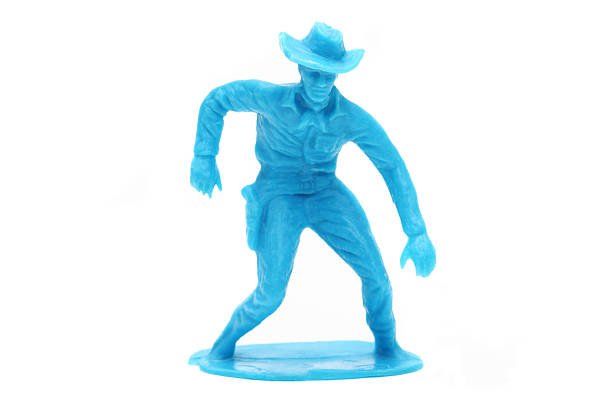
Generating a professional concept for a collectible requires a blend of artistic vision and technical accuracy, which is why the best ChatGPT prompts for a toy figure are becoming essential for modern toy designers. These automated instructions allow users to define articulation points, material finishes, and character backstories in a single workflow. By leveraging artificial intelligence in this manner, you can move from a vague idea to a production-ready blueprint that respects the nuances of the toy industry.
The transition from a raw creative spark to a physical object involves several complex steps including engineering and marketing strategy. This guide provides a comprehensive framework of instructions designed to maximize the utility of artificial intelligence for every stage of your toy development process.
These are the Best ChatGPT Prompts for a Toy Figure
To produce high quality results that appeal to both casual fans and serious collectors, you must provide the AI with specific industry context. The best ChatGPT prompts for a toy figure focus on the intersection of aesthetic design, physical engineering, and narrative lore to ensure a well rounded product. Below is a collection of structured prompts that cover everything from initial character creation to the technical requirements for 3D printing and manufacturing in the current market.
1. Developing a Detailed Character Lore and Narrative
Before you sculpt a single line, you need to understand the soul of the character, as lore often drives the value of a toy in the eyes of a collector. This ChatGPT prompt for a toy figure helps you build a robust backstory, including origin tales, personality traits, and primary motivations. By establishing a narrative foundation, you ensure that the physical design reflects the character's history, such as battle scars for a veteran warrior or glowing tech for a futuristic hacker. This helps in creating a more immersive experience for the consumer. Use this prompt to define the character's 'why' before focusing on their 'what'.
Act as a narrative designer for a high-end toy company. Create a 500-word backstory for an original action figure character named 'Kaelen the Void-Walker'. Explain his origin in a shattered dimension, his unique ability to manipulate dark energy, and his primary conflict with the 'Solar Legion'. List three specific personality traits that should be reflected in his physical posture and facial expression. Describe his signature motto and how his past trauma is visible in his armor design.
2. Visual Aesthetic and Character Silhouette Design
A character's silhouette is vital for recognizability on a crowded store shelf or a digital display case. This prompt focuses on 'shape language' and visual style, whether you are aiming for a gritty realistic look or a stylized anime aesthetic. By defining the primary and secondary shapes of the character, you guide the AI to describe a figure that feels balanced and visually interesting from all angles. This is the best prompt for ChatGPT for a toy figure when you need to provide a 3D sculptor with a clear visual direction. It ensures the character has 'shelf presence' and a unique identity that stands out from competitors.
Generate a detailed visual design description for a 6-inch scale toy figure of a cyberpunk mercenary. Focus on the silhouette, emphasizing a top-heavy build with wide mechanical shoulders and a slender lower body. Use a color palette of matte black, neon violet, and gunmetal grey. Describe the specific textures of her gear, such as carbon fiber plates, weathered leather straps, and glowing LED strips embedded in her helmet. Specify that the art style should be 'semi-realistic' with high-frequency details.
3. Engineering Points of Articulation and Joint Types
For modern action figures, poseability is often the most significant selling point, requiring a deep understanding of toy engineering. This prompt instructs the AI to outline a specific articulation map, detailing the types of joints needed for dynamic posing. It covers complex mechanisms like butterfly shoulders, double-jointed knees, and ball-jointed ankles. By using this ChatGPT prompts for a toy figure engineering guide, you can ensure your design is functionally viable for a physical prototype. This is essential for ensuring the figure can hold 'hero poses' without the joints being too loose or overly restricted by the sculpt.
Act as a toy engineer specializing in high-articulation collectibles. Provide a technical breakdown for the joint system of a 1/12 scale ninja figure. Detail 28 points of articulation, including the implementation of a floating torso piece, swivel-hinge wrists, and toe crunch. Explain how to hide the pin joints within the sculpt to maintain visual continuity. Suggest the best materials for the joints to ensure longevity and friction resistance, specifically mentioning POM or nylon where appropriate.
4. Designing Swappable Accessories and Weapons
Accessories add significant play value and display options to any figure, often being the factor that convinces a collector to make a purchase. This prompt helps you brainstorm a set of 'swappable' items, such as different hands, weapons, and environmental pieces. It encourages the AI to think about how these items attach to the figure, such as using 3mm pegs or magnetic connectors. This version of a ChatGPT prompt for a toy figure ensures that the accessories are not just afterthoughts but are integral to the character's identity. You can also ask for 'blast effects' or 'impact pieces' to add a sense of action to the display.
Design a comprehensive accessory pack for a 7-inch scale fantasy sorceress figure. Include descriptions for three sets of interchangeable hands (fists, spell-casting, and weapon-grip). Detail two magical staves with translucent 'energy' effects and a removable cape made of 'soft-goods' fabric with a wired edge for posing. Explain how each accessory connects to the main figure and suggest a small 'familiar' animal companion that can perch on her shoulder using a hidden magnet.
5. Material Selection for Production and Prototype
Choosing the right plastic or resin is critical for the weight, durability, and feel of the final product. This prompt acts as a materials science guide, recommending the best plastics for different parts of the figure. It distinguishes between the 'hard' plastics like ABS used for armor and the 'softer' PVC used for limbs or hair. By specifying these materials early, you help the factory understand the requirements for the tooling and injection molding process. This is a vital best prompt for ChatGPT for a toy figure for anyone moving from a 3D model into mass production. It ensures the figure feels 'premium' in the hands of the collector.
Provide a technical material specification sheet for a high-end superhero toy figure. Recommend the use of ABS plastic for the core torso and weapon accessories to ensure rigidity. Suggest PVC with a Shore A hardness of 75 for the limbs to allow for a slight flex during posing. Include a recommendation for a 'soft-touch' coating on the skin areas to give a realistic feel. Specify that any translucent parts should be made of clear polycarbonate to prevent yellowing over time and maintain high clarity.
6. Technical Directions for 3D Sculptors and Modelers
A 3D sculptor needs a different set of instructions than a writer, focusing on mesh density, Boolean operations, and 'print-readiness'. This prompt helps you communicate with an artist by providing a checklist of technical requirements for the digital sculpt. It addresses 'manifold' geometry and the need for 'keyed' parts that fit together like a puzzle. Using these ChatGPT prompts for a toy figure as a bridge between concept and 3D modeling saves time and reduces errors during the prototyping phase. It ensures the file is ready for a high-resolution resin print without needing significant repairs.
Act as a creative director giving feedback to a 3D character artist. Provide a checklist for a 'production-ready' digital sculpt of a space marine. Mention the need for watertight, non-manifold geometry and the 'keying' of the head, arms, and legs for easy assembly. Specify that the surface detail should be 'oversized' by 10 percent to ensure it remains visible after the shrinking that occurs during the molding process. Request that the sculptor provide the files in STL and OBJ formats with a decimated polycount suitable for 3D printing.
7. Developing a Color Palette and Paint Master Guide
The 'paint master' is the version of the toy that all factory-produced units must match, making the color guide a critical document. This prompt helps you define the exact shades, finishes, and weathering techniques required for the figure. It uses specific terms like 'matte', 'satin', and 'metallic' to describe the light interaction with the surfaces. By providing a 'weathering' section, you can instruct the factory to add 'dry-brushing' or 'washes' to make the figure look realistic and used. This ChatGPT prompt for a toy figure ensures that the final mass-produced version doesn't look like a cheap plastic toy but rather a high-end collectible.
Create a comprehensive paint master guide for a post-apocalyptic survivor figure. Use a color palette of olive drab, rusted orange, and muddy brown. Specify a matte finish for the fabric clothing and a high-gloss finish for the character's goggles and metallic gear. Detail the weathering process, including a 'black wash' to highlight the sculpt's recessed areas and silver dry-brushing on the edges of the armor to simulate paint chipping. Provide a list of five key areas where 'blood splatter' or 'grease stains' should be applied for realism.
8. Conceptualizing Retail Packaging and Box Art
Packaging is the first thing a customer sees, and it often serves as a display piece for 'in-box' collectors. This prompt helps you design a 'window box' or 'blister card' that protects the figure while showcasing it beautifully. It focuses on the graphic design elements, such as the logo placement, character art, and the 'legal' text required for retail. Using the best prompt for ChatGPT for a toy figure for packaging ensures that your product looks professional and follows modern retail trends. You can also ask for 'back-of-the-box' content, such as a 'cross-sell' of other figures in the line and a brief biography of the character.
Design the retail packaging for a limited edition 'Gothic Knight' figure. Describe a premium window box with a magnetic flap and gold foil accents. The box art should feature a dramatic, high-contrast illustration of the knight in a moonlit cemetery. Detail the layout for the back of the box, including a 'bio-card' that can be cut out, a list of included accessories, and a 'collect them all' section showing four other characters. Specify the placement of the UPC, safety warnings, and the company logo to ensure retail compliance.
9. Optimizing Scaling and Proportions for Industry Standards
Toys must fit within certain standard scales—such as 1/6, 1/12, or 1/18—to be compatible with other figures and vehicles in a collector's inventory. This prompt helps you calculate the correct dimensions for your figure based on these industry standards. It ensures that a 6-foot tall man in real life is exactly the right height in 'action figure scale'. By providing these measurements, you avoid the 'scale creep' that can make a figure look out of place next to its peers. This is an essential technical ChatGPT prompts for a toy figure for maintaining consistency across a diverse toy line.
Act as a scaling expert for the toy industry. I am designing a 'heavy-duty' robot character that is 8 feet tall in the story. Provide the exact height measurements for this character in 1/6 scale, 1/12 scale, and 1/18 scale. Explain how to adjust the 'bulk' or 'girth' of the figure so it feels imposing without exceeding the width limits of a standard 6-inch figure blister card. Provide a comparison table of these scales in both inches and centimeters for the production team.
10. Drafting Sales Copy for Toy Collectors and Backers
Whether you are launching on Kickstarter or a dedicated toy site, your sales copy must speak the language of the 'collector' community. This prompt focuses on 'pre-order' urgency, 'limited edition' status, and the specific features that collectors value most. It avoids generic marketing fluff and highlights the articulation, accessories, and exclusivity of the figure. Using the best prompt for ChatGPT for a toy figure for marketing helps you build hype and secure early sales. It ensures that your product description sounds like it was written by a fan, for a fan, which is the key to success in the collector market.
Write a persuasive product description for a high-end 1/12 scale collectible figure to be used on a crowdfunding page. Focus on the 30+ points of articulation, the 'soft-goods' clothing, and the inclusion of an exclusive 'battle-damaged' head sculpt only for early backers. Use high-energy language that emphasizes the rarity and the premium nature of the materials. Include a call to action that encourages immediate pre-orders to secure the 'early-bird' pricing and the limited edition numbering.
11. Designing a Thematic Base and Display Stand
A great figure often needs a great base to help it stand in dynamic poses or to add to the environmental storytelling. This prompt focuses on designing a 'diorama' style base that complements the character's theme. It covers the 'peg' placement to ensure the figure doesn't tip over and the inclusion of small details like cracked pavement or alien soil. By adding a base, you elevate the figure from a 'toy' to a 'statue-like' display piece. This is a brilliant way to add more value to a premium release and can even be used as a separate accessory pack for collectors who want more immersion.
Create a design for a thematic display base for a 'Deep Sea Diver' action figure. The base should look like a section of a rusted shipwreck covered in barnacles and sea-fans. Include a sturdy, adjustable 'waist-clamp' stand for swimming poses and a single 3mm peg for standing poses. Describe the translucent 'bubbles' that can be attached to the base to simulate being underwater. Ensure the base is heavy enough to prevent the 7-inch figure from toppling over in dynamic action poses.
12. Creating a Quality Control (QC) Checklist for Factories
Once the figure goes into production, you need a way to ensure every unit meets your high standards. This prompt generates a QC checklist that the factory workers can use to spot defects during the assembly process. It covers common issues like 'paint bleed', 'loose joints', and 'missing accessories'. By providing this list, you reduce the 'defect rate' and ensure that your customers receive a perfect product. This technical ChatGPT prompts for a toy figure guide is the final wall of defense against poor craftsmanship and protects your brand's reputation in the long term.
Act as a Quality Control manager for a global toy brand. Develop a 10-point QC checklist for an assembly line producing 6-inch action figures. Include checks for joint friction, paint application accuracy (especially in the eyes), and the integrity of the 'soft-goods' stitching. Describe the 'shake test' for accessories and the 'pull test' for glued parts. Provide a set of instructions for what workers should do if a unit fails any of these checks to ensure no sub-par products reach the final packaging stage.
13. Designing Figure Variations and Repaints
To maximize the 'tooling' investment, many companies release 'variants' or 'repaints' of the same figure. This prompt helps you brainstorm creative ways to use the same body mold for different characters or versions of the same character. It looks for 'easy wins' like a different head sculpt or a new color scheme, such as an 'Arctic' or 'Night-Ops' version of a soldier. This strategy is a staple of the toy industry, allowing for more products with lower development costs. By thinking about these variations early, you can design the mold to be more versatile for future releases.
Brainstorm four 'variant' versions of a standard 'Sci-Fi Soldier' toy figure using the same body mold to maximize production value. One variant should be an 'Elite Officer' with a new head sculpt and gold accents. Another should be a 'Stealth Ops' version in monochromatic dark greys with translucent red lenses. Describe how a small 'accessory swap'—like a different backpack or weapon—can fundamentally change the character's role in the line. Explain the 'collectibility' of these variants for fans who want to build an army.
14. Building a Marketing Strategy for Toy Photography
Toy photography is a massive subculture on social media, and your figure should be designed to be 'photogenic'. This prompt helps you identify the best poses, lighting setups, and 'macro' details that will appeal to toy photographers. It encourages you to create 'beauty shots' that showcase the articulation and the paint quality. By providing these 'photo-ready' tips, you encourage your customers to share their own photos of your product, providing free and authentic marketing. This approach is highly effective for building a community around your toy line on platforms like Instagram and YouTube.
Act as a social media manager for a toy brand. Provide a guide for 'Toy Photographers' who are reviewing our new 'Samurai' figure. Suggest three dramatic lighting setups—such as 'low-key' noir or 'vibrant' sunset—that highlight the armor's texture. List five 'action poses' that demonstrate the figure's range of motion, such as a high-kick or a two-handed sword draw. Encourage the use of a specific hashtag and explain how we will 'feature' the best fan photography on our official company page.
15. Crafting a Safety and Compliance Document
Finally, every toy must follow strict safety regulations like the ASTM F963 or the EN71 to be legally sold in most countries. This prompt helps you draft a safety warning and age-rating document based on the figure's components. it identifies 'choking hazards' for small accessories and 'sharp points' on weapons. While not a replacement for legal counsel, it provides a solid foundation for your compliance team to review. This is a critical best ChatGPT prompts for a toy figure for any creator looking to move from a hobby to a legitimate business. It shows that you take the safety of your customers seriously and are aware of international standards.
Act as a toy safety compliance officer. Review a figure design that includes small 3mm accessories and sharp-edged plastic swords. Draft a standard safety warning for the back of the packaging, including the 'Choking Hazard' symbol and the 'Small Parts' warning. Recommend an age rating of 14+ for adult collectors if the item has sharp points, or suggest how to 'blunt' the edges to achieve a 4+ rating for children. Provide a list of the top three international safety certifications we should apply for before launching in the US and EU markets.
Things to Consider When Using a ChatGPT Prompt for a Toy Figure
Creating a successful toy requires more than just a creative prompt; it demands a deep understanding of the physical world and the niche culture of collecting. While artificial intelligence can generate high-level concepts and technical data, you must apply a layer of human judgment to ensure the final product is both safe and desirable. Below are several critical factors to consider when refining the outputs from your AI prompts to ensure your toy figure project is a professional success.
1. Manufacturing Tolerances and Fit: AI might suggest a perfect joint on paper, but in the physical world, plastics shrink as they cool in the mold. You must consider 'tolerances'—the tiny gaps between parts—to ensure that a head or arm actually fits onto its peg without being too loose or snapping the plastic. When using the best ChatGPT prompts for a toy figure, always ask for 'clearance' or 'fit' advice for your specific scale. Industry data suggests that a tolerance of 0.1mm to 0.2mm is standard for 1/12 scale figures, but this can vary depending on the type of plastic used by your factory.
2. Production Costs and 'Paint Hits': Every single color on a toy figure costs money because it requires a 'paint hit' or a specific application. An AI-generated prompt might suggest a rainbow-colored character, but this would be prohibitively expensive to mass produce. Always balance your aesthetic vision with the reality of your budget. A standard figure usually has between 10 and 20 'paint hits'; anything more than that and you are moving into the 'luxury' tier where the retail price must be significantly higher to cover the labor costs of the hand-painted details.
3. Intellectual Property and Originality: ChatGPT prompts for a toy figure can sometimes accidentally generate descriptions that are too close to existing characters from Marvel, Star Wars, or anime series. It is your responsibility to ensure that your 'original' character is legally distinct from any trademarked property. Use the AI to 'innovate' and 'deviate' from common tropes rather than just replicating them. Statistics from the USPTO show that IP lawsuits are a major risk for small toy companies, so always perform a thorough trademark search on your character names and visual designs before going to market.
4. Center of Gravity and Balance: A toy that cannot stand on its own is a failure in the eyes of most collectors. When you are engineering the best prompt for ChatGPT for a toy figure, ask the AI to consider the 'weight distribution' of the character. A figure with giant wings or a massive backpack will need a heavy base or specific joint tension to prevent it from constantly falling over. This is especially important for 1/6 scale figures which are taller and more prone to toppling. Testing your 3D prototype for its center of gravity is a non-negotiable step before opening pre-orders.
5. Target Demographic and Safety: A figure designed for a 6-year-old has very different safety requirements than a figure for a 40-year-old collector. If your ChatGPT prompt for a toy figure describes sharp spikes or thin, breakable antennas, it must be marketed as an 'adult collectible' rather than a 'toy'. Following the CPSC (Consumer Product Safety Commission) guidelines is essential to avoid recalls. Make sure your age rating is prominently displayed on the box to protect your brand from legal liability and to ensure the customer knows exactly what they are buying.
6. Sustainability and Packaging Waste: Modern consumers are increasingly aware of the environmental impact of plastic toys and their packaging. Consider asking your AI to suggest 'eco-friendly' materials like bio-plastics or 'plastic-free' packaging designs that use cardboard and paper ties instead of plastic 'clamshells'. Recent market trends indicate that 'green' toy companies are seeing higher growth rates among younger parents and environmentally conscious collectors. This not only helps the planet but can also be a powerful part of your brand's unique selling proposition in the market.
Conclusion
Leveraging the best ChatGPT prompts for a toy figure empowers designers to bridge the gap between imagination and physical reality with unprecedented speed and detail. By providing the AI with specific instructions on lore, engineering, and manufacturing, you can create a professional roadmap for a collectible that truly resonates with its target audience. However, the true art of toy making still lies in the human ability to test, refine, and polish these AI-generated concepts into something that feels 'premium' and safe in a collector's hand. As the toy industry continues to evolve through, those who can effectively blend artificial intelligence with traditional craftsmanship will be the ones who define the next generation of iconic action figures and statues. Start with these prompts, stay curious, and continue to push the boundaries of what is possible in the world of 3D collectibles.
Enjoyed this read?
Share it with your friends and colleagues.